
Do you want to color your hair extensions at home? Here is everything you need to know about extensions & hair dye.
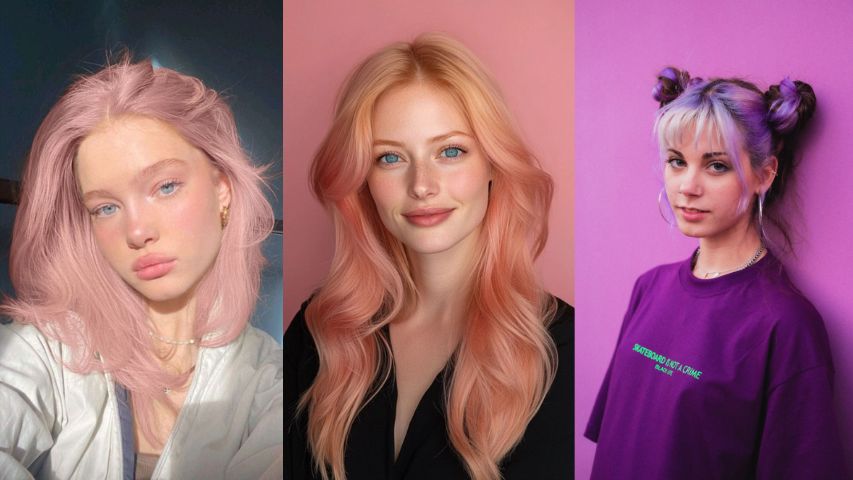
Can you dye hair extensions at home? If your extensions do not perfectly match your natural hair color or you simply want to try a new shade, you may be wondering whether you can change their color.
The short answer is yes, human hair extensions can generally be dyed, but coloring them requires extra care. Unlike your natural hair, extensions no longer receive moisture and nutrients from the scalp. Chemical processing can make them dry, fragile, or more prone to tangling.
Before reaching for a hair dye, it is important to understand which coloring methods are more suitable, what risks to avoid, and how to protect your extensions.
Can You Dye Human Hair Extensions?
Yes. Human hair extensions can generally absorb hair color because they are made from real human hair. However, the results depend on several factors:
-
Hair quality: The condition of the hair affects how evenly it absorbs color.
-
Previous processing: Extensions that have already been dyed, bleached, or toned may be more fragile.
-
Current shade: The starting color influences the result you can achieve.
-
Dye formula: Different coloring products use different ingredients and processing methods.
Synthetic hair extensions are different. Most synthetic fibers cannot be colored with regular hair dye because they do not absorb color in the same way as human hair. Always check the manufacturer's instructions before attempting to change the color of any extensions.
Can You Dye or Bleach Hair Extensions?
Not all coloring methods carry the same level of risk. Going darker is generally more manageable than trying to lighten extensions, but no chemical coloring process is completely risk-free.
| Coloring method | General recommendation | What to know |
|---|---|---|
| Dyeing darker | More manageable with care | Usually requires less color lifting |
| Toning or refreshing color | Depends on the hair | Pigments may deposit unevenly or too strongly |
| Dyeing lighter | Not recommended as a DIY project | Lightening requires additional chemical processing |
| Bleaching | Avoid at home | Can cause dryness, breakage, tangling, and changes in texture |
1. Dyeing Hair Extensions Darker
Going darker is generally easier than lightening because it usually involves depositing color rather than removing existing pigment.
For example, changing a light brown shade to a medium or dark brown may be more manageable than trying to turn dark brown extensions blonde.
However, the final result can still vary depending on the hair's previous color treatment and condition. Always test a small section first.
2. Toning Hair Extensions
Toning is often used to adjust unwanted warmth, reduce yellow tones, or refresh an existing shade.
However, extensions may absorb color differently from your natural hair. A toner or purple shampoo left on too long may create an unexpected or overly cool result.
Start with a small test section and follow the product instructions carefully.
3. Lightening or Bleaching Hair Extensions
Can you bleach hair extensions? Technically, human hair can be lightened, but bleaching extensions is much riskier than depositing darker color.
The chemical process can weaken the hair and lead to:
-
Excessive dryness
-
Rough or brittle strands
-
Breakage and split ends
-
Tangling and matting
-
Changes in the original texture or curl pattern
For these reasons, we do not recommend bleaching extensions at home. If you need a lighter shade, choosing extensions that are already close to your target color is usually a better option.
What to Know Before Dyeing Hair Extensions
Before coloring your extensions, take time to check their condition and suitability. These precautions can help reduce the risk of unexpected results.
1. Check the Hair Quality and Processing History
Start by confirming that your extensions are made from human hair and checking whether they have already been colored or lightened.
Previously processed extensions may be more fragile and may not respond to additional dye in the same way as less-processed hair.
If you are unsure about their history or condition, consult the brand or a professional colorist before proceeding.
2. Choose the Right Coloring Product
Not every hair dye is suitable for every type of extension.
Avoid assuming that ammonia-free dye is automatically harmless. Different formulas can still affect the hair, especially when extensions have already undergone chemical processing.
Choose a product appropriate for the intended color change and follow its manufacturer's instructions. If you are uncertain about the formula, ask a professional colorist experienced in working with extensions.
3. Do a Strand Test First
Never apply dye to the entire set without testing a small section.
A strand test helps you check:
-
Whether the color develops as expected
-
How quickly the hair absorbs the dye
-
Whether the hair becomes dry or rough
-
Whether the result blends with your natural hair color
A successful test on one section does not guarantee that every piece will develop identically, but it can help you identify potential problems before treating the entire set.
4. Remove Extensions Before Coloring
If you wear clip-in, tape-in, or other installed extensions, do not apply hair dye while they are attached.
Remove the extensions first and keep dye away from tape tabs, adhesive, PU bases, clips, and other attachment components. Chemical products and residue may affect the attachments or make them difficult to clean.
For permanent or semi-permanent installations, ask your stylist how to handle the coloring process safely.
5. Follow Hair Dye Safety Instructions
Always read the product label and follow the recommended application time. Wear gloves and never leave the dye on longer than instructed.
A skin allergy test should also be performed according to the dye manufacturer's directions before each use. The U.S. Food and Drug Administration (FDA) provides additional hair dye safety guidance.
When Should You Not Color Your Hair Extensions?
Sometimes, leaving your extensions as they are is the better choice. Avoid additional coloring if:
-
The shade already matches: There is little benefit in exposing the hair to unnecessary chemical processing.
-
The hair has been bleached or dyed several times: Repeated processing can make the strands more fragile.
-
The extensions feel dry or brittle: Additional chemical treatment may make their condition worse.
-
The hair tangles easily: This may indicate that the hair is already compromised.
-
You are unsure about the material or processing history: Get professional advice before applying dye.
If your main goal is to find a better match for your natural hair, consider choosing a different shade or asking about a custom color instead.
DIY vs. Professional Hair Coloring
Can you dye hair extensions at home? It may be possible for a simple color-depositing or darker-color change, but DIY coloring comes with risks.
| DIY Coloring | Professional Coloring |
|---|---|
| May be suitable for simple color changes when product instructions allow | Better for complex color adjustments |
| Requires careful strand testing | A colorist can assess the hair before treatment |
| Easier to make mistakes with timing or application | More control over product selection and application |
| Results may be unpredictable | Professional experience can help reduce application errors |
For bleaching, significant color changes, or extensions with an unknown processing history, consult a professional colorist who has experience coloring hair extensions.
How to Care for Hair Extensions After Coloring
Color-treated extensions need careful maintenance because additional chemical processing can increase dryness and tangling.
Here are a few simple care tips:
-
Use gentle hair care products. Choose products suitable for color-treated hair and follow the extension manufacturer's care instructions.
-
Condition regularly. Apply conditioner to the lengths and ends to help maintain softness. Keep products away from tape tabs and other attachment areas.
-
Brush gently. Start at the ends and work upward, holding the hair above the section you are brushing to reduce pulling.
-
Limit heat styling. Use a heat protectant and avoid excessive heat.
-
Avoid frequent chemical treatments. Repeated dyeing or bleaching can gradually reduce the hair's quality and lifespan.
For more detailed guidance, read our Do's and Don'ts of Dyeing Hair Extensions.
What About YILITE Hair Extensions?
YILITE hair extensions are made from 100% virgin human hair. We offer a wide selection of shades across our different types of premium hair extensions, making it easier to find a color that blends with your natural hair.
If you cannot find the shade you want, you can contact our team to ask about customization. Please note that customized products may have different return conditions.
Even with high-quality human hair, we recommend choosing your preferred shade before purchase rather than relying on additional chemical processing afterward.
Final Thoughts
So, can you dye hair extensions? Yes, human hair extensions can generally be colored, but that does not mean every coloring method is suitable.
Darker color changes are usually more manageable than lightening or bleaching. Before making any changes, check the hair's condition, perform a strand test, and seek professional advice when necessary.
If you have not purchased your extensions yet, choosing the closest shade to your natural hair is the easiest way to achieve a seamless blend without unnecessary chemical processing.


