
The correct choice of hair oil stands as an essential factor that determines the success of both hair extension longevity and beauty. Yilite hair extensions require similar attention for their care as natural hair because moisture and tangle-free smoothness remain essential. The lack of natural scalp oils in hair extensions demands the use of premium hair oils that help preserve their appearance.
This guide covers the perfect oils for extensions alongside their advantages and correct application methods, together with recommended maintenance practices to maintain their soft texture, shiny appearance, and proper manageability.
Can You Use Oil on Hair Extensions
Can you use oils on your hair extensions? The truth is that you can, but your extensions should be 100% human hair extensions, not synthetic ones. Hair extensions are different from our natural hair and cannot get oil and nutrients on their own. Therefore, one of the ways to keep your hair extensions in the best condition is to pamper them with their natural oils to keep them looking healthy and shiny.
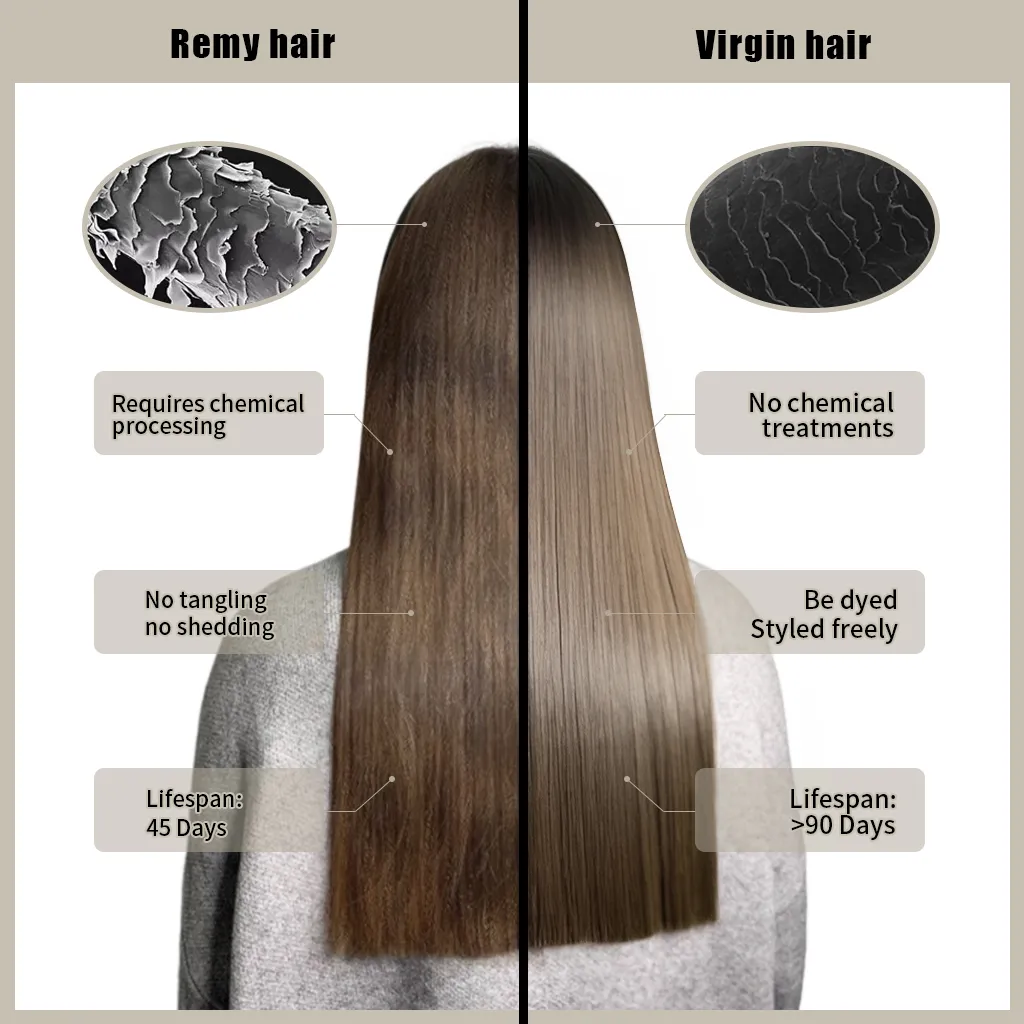
Benefits of Using Hair Oil on Extensions
Applying suitable hair oils delivers various advantages to hair extensions through such features as:
Stay Hydrated: The natural oils work to maintain your extensions in a hydrated state, thus stopping dryness and brittleness. Hydrated extensions maintain a reduced risk of getting tangled and producing knots.
Reduce Frizz: Frizz Control through natural oils allows the hair cuticles to lie flat,t which results in reduced frizziness and flyaway strands.
Shiny & Healthy Look: Hair extensions develop a shiny, pleasant glow through the application of oil, which produces a healthy, vibrant appearance.
Easy to Maintain: Extensions that receive nourishing oil treatments develop a soft texture, which provides an easily manageable touch.
Protect Extensions: The barrier created by oils protects both hair extensions and the ends from environmental hazards and excess styling damage.
Cons of Using Hair Oil for Hair Extensions
Product Accumulation: Overuse can weigh down your extensions and make them greasy.
Weakened Adhesion: This may loosen the adhesive or boned extensions, further causing them to fall off.
Understanding Different Types Of Hair Oil for Extensions
Oils show different effectiveness levels in hair extension care since some prove superior to others. Here are the top choices:
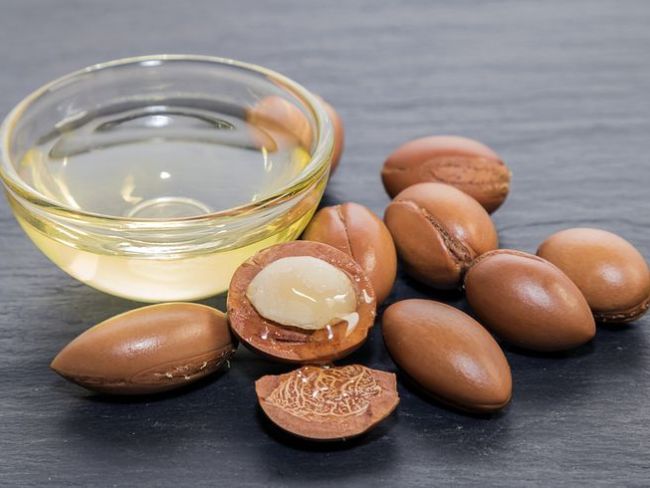
1. Argan Oil
The plant oil known as Moroccan oil works as a weightless, non-sticky substance that suits hair extension treatments perfectly. The protective components in Argan Oil benefit hair extensions because antioxidants, along with essential fatty acids and vitamin E, protect split ends, deliver shine, and control frizz. Because it is light-weigh,t the oil penetrates the skin quickly without creating any noticeable heavy residue, allowing its usage as a regular skincare product.
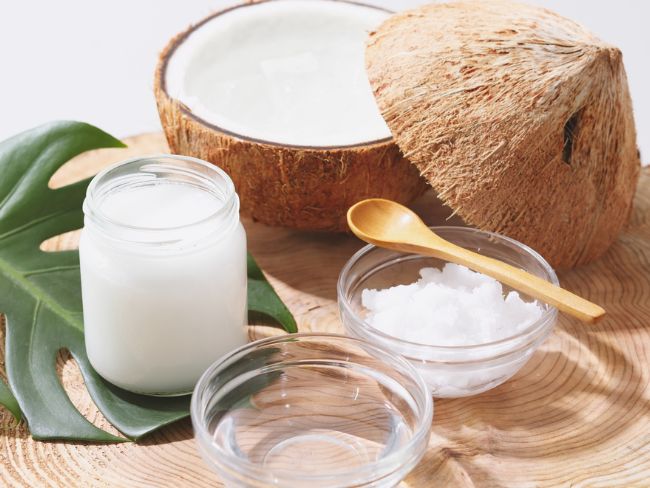
2. Coconut Oil
People widely recognize coconut oil because it acts as a deep moisturizer. The oil saturates hair shafts to establish deep hydration, which safeguards against dryness and Brazilian. While this oil is thick in viscosity, you need to apply it minimally to stop buildup formation. A tiny amount of product should be applied to extension ends to preserve softness and sheen.
3. Jojoba Oil
The natural oil production of the scalp matches the characteristics of jojoba oil. Using this oil provides an optimal solution for hair extension hydration because it avoids stuck-looking buildup. Blending jojoba oil with your hair helps hold moisture inside the strands and stops frizz formation and tangles in their tracks.

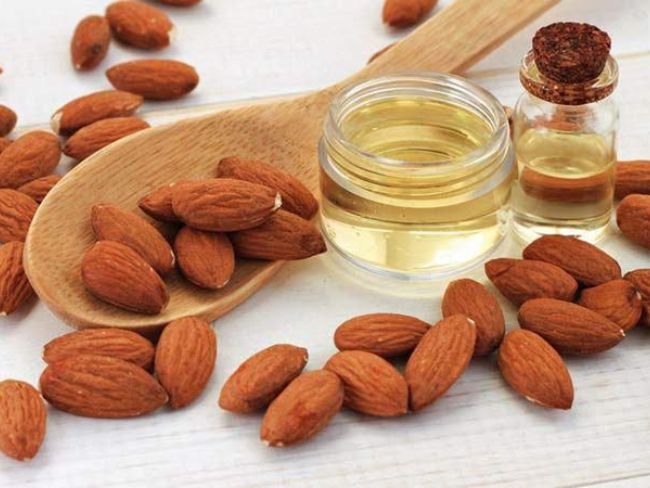
4. Almond Oil
Packed with beneficial vitamins E and omega fatty acids together with magnesium element, almond oil serves as a gentle semi-liquid product. The mixture of almond oil brings out gloss and defends hair extensions from both dryness and damage while keeping them intact. The mixture helps to manage frizz and delivers a superior smooth texture through all segments of hair extensions.
5. Avocado Oil
It contains a high concentration of vitamins A, D, and E, together with necessary fatty acids that thoroughly nourish hair extensions. The properties of almond oil easily benefit dry extensions by making them appear softer with better manageability.

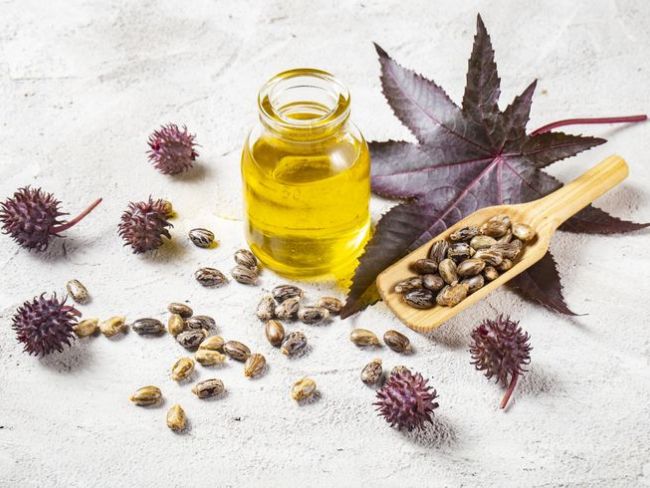
6. Castor Oil
Hair extensions should avoid castor oil due to its thick,k sticky nature that affects growth promotion for natural hair. This particular oil needs application only in small amounts because excessive buildup occurs.
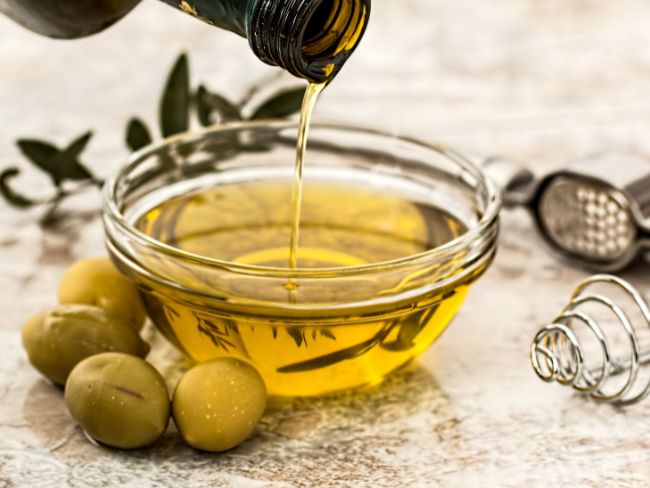
7. Olive Oil
The moisturizing properties of olive oil make hair extensions appear greasy because their density tends to feel heavy on the extensions. The application of olive oil should be limited to minimal usage on the tip areas of hair extensions.
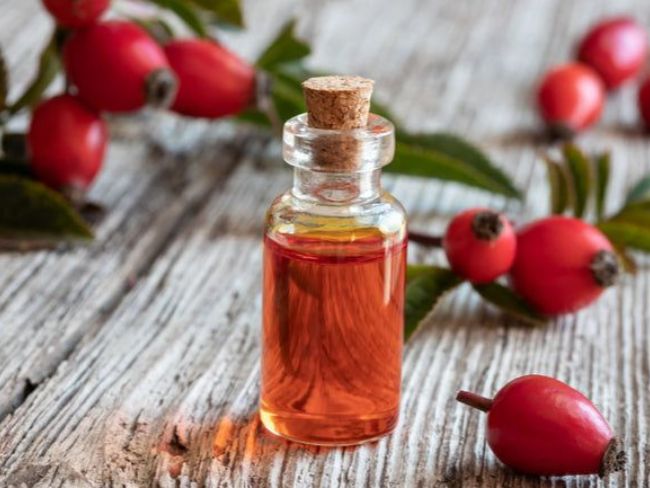
8. Rosehip Oil
The lightweight composition of rosehip oil contains essential fatty acids together with vitamins that strengthen hair extensions and provide hydration. This product functions excellently to fight dryness while keeping hair extension frizz at bay while staying free of grease.
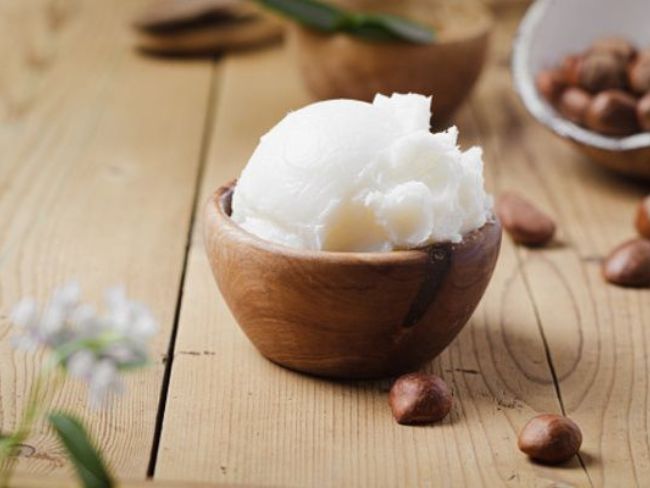
9. Shea Butter Oil
Shea oil extracted from shea butter functions as a weightless deep-hydrating treatment, which avoids sticky residue. Hair extensions that require additional hydration benefit from this oil because it provides environmental protection as well as moisture retention.
How to Use Hair Oil on Extensions
The correct application of hair oil leads to maximum benefits as a product. Here are some key tips:
- Natural, unrefined oils should replace synthetic oil products whenever possible.
- The adhesive parts and root areas of extensions should be excluded from oil application because they may create detachment issues.
- To protect your extensions from dryness, you should place a small amount of oil on the ends following the washing process.
- You should opt for hair products that have neither sulfates nor alcohol since these help keep your extensions healthy.
- A deep-conditioning hair mask should be used weekly to deliver hydration while making hair soft.
- Your hair extensions require a protective heat barrier before you employ hot styling devices to reduce exposure to heat-based damage.
- Eating small amounts of hair oil produces better results than excessive use because it creates either greasy extensions or excessive buildup.
Oils to Avoid for Hair Extensions
Many varieties of oils benefit extensions however, heavy or difficult-to-remove oils should be used with caution. If used with care, these oils represent a few limited options for hair extension care:
- Mineral Oil has the effect of creating layer buildup that results in greasiness on extensions.
- Heavy Castor Oil creates a challenging situation because of its dense texture, which embraces extensions heavily and makes them troublesome to handle.
- The use of olive oil results in a greasy residue that draws environmental debris onto hair extensions.
Common Mistakes to Avoid
The following errors should be avoided when you want to maintain top-quality condition in your hair extensions:
- Abusing oil products leads to unhealthy-looking extensions through excessive greasiness and limpness.
- Putting oil near the scalp will cause tape-in or bonded extensions to become unstable.
- High-quality natural oils should always be your selection to achieve the best outcomes.
- Regular oiling does not eliminate the need for deep conditioning because extensions require this treatment to maintain their so, ft hydrated state.
- Oil mixtures containing synthetic chemicals act as moisture extractants instead of moisturizing agents for hair strands.
The Correct Method to Treat Over-Oiled Extensions
Follow this procedure to correct the abundance of oil application on hair:
- A Clarifying Shampoo enables the removal of excess oil while maintaining hair health.
- The utilization of warm water above cold water speeds up the oil breakdown process.
- Extending the lifespan of oily hair extensions becomes possible with dry shampoo application when proper cleaning is not feasible.
- The practice of conditioner application should be avoided when extensions show signs of existing oiliness.
Conclusion
The most beneficial approach to maintaining the stellar appearance of hair extensions consists of selecting appropriate hair oils for your daily regimen. The correct technique for using nourishing oil involves selecting your preferred oil among argan, coconut, or jojoba and applying just a small amount. Correct maintenance techniques will maintain hydration in your extensions along with the reduction of frizz while keeping tangles at bay to preserve their soft appearance and shiny, healthy look.


