
Invisible tape in hair extensions have become a go-to solution for those who want to add volume or length to their hair without waiting for their hair to grow naturally. Due to these popular extensions, celebrities and influencers often show off their perfect locks. However, the question remains: “Are tape-in extensions bad for your hair" or "Do tape in extensions cause hair loss?"
For those who are curious but concerned, the answer is not simple. Like many other hair treatments and accessories, most extensions cause some degree of damage to your hair. Tape-in extensions can be a great way to enhance your look, but they can also be a source of potential hair damage.
That said, it doesn’t mean you have to take risks every time you want to use extensions. Tape-in extensions have many benefits—you just have to know how to minimize the risks. It all depends on how you use them. This blog will explore whether tape-in extensions are harmful and how to avoid common pitfalls.
What are Tape In Extensions?
Unlike clip in hair extensions or sew-in extensions, tape in extensions are a semi-permanent method of hair extensions. Small sections of hair are pre-taped and can be attached directly to your natural hair.
They are usually made from Remy hair or virgin hair and one pack comes with 20 pcs or 24 pcs, with different lengths and densities available. 1-2 packs for thick hair, 3-4 packs for thin hair, and 5 packs for full head.
Are Tape-In Extensions Suitable for Everyone?
Although tape-in extensions are widely used, they are not equally suitable for all hair types.
✔ Best suited for:
- Medium to thick hair
- Healthy hair with strong roots
- Users wanting semi-permanent volume
Not ideal for:
- Very fine or fragile hair
- Severely damaged or breaking hair
- Oily scalp (may weaken adhesive bonds)
In these cases, clip-ins or halo extensions may be a safer alternative.
Are Tape-In Extensions Safe When Applied Correctly?
The safety of tape-in extensions depends less on the extensions themselves and more on how they are installed, maintained, and removed.
When applied correctly, tape-in extensions are designed to distribute weight evenly across multiple sections of hair instead of placing excessive pressure on a single area. A proper installation should feel lightweight, comfortable, and secure without causing pulling or discomfort.
Healthy tape-in extensions should:
- Feel comfortable during daily activities
- Lay flat and blend naturally with your own hair
- Allow normal brushing and styling
- Avoid excessive tension at the roots
Most problems occur when extensions are too heavy, installed incorrectly, or worn beyond their recommended maintenance period.
Choosing the right extension weight, placement, and application method is the key to keeping your natural hair healthy while enjoying added length and volume.
How Do Tape In Extensions Work?
Tape-in extensions work by adding hair extensions to the roots of your hair through the use of medical-grade adhesive tapes. Your natural hair is sandwiched between the two extensions for a secure hold. This method of application is effective in adding volume to your hair immediately and keeping the extensions in place for around 6 to 8 weeks.
After a few weeks, the adhesive tape will usually weaken or even fall off on its own, at which point you will need to replace the tape and reapply the extensions.

Double Sided Replacement Tape for Tape In Extensions
60 Taps Price $15.99
| Shop Now |
How Long Do Tape-In Extensions Last?
With proper care, tape-in extensions typically last between 6 and 8 weeks before they need to be moved up or reapplied.
However, the lifespan of tape-in extensions depends on several factors:
Hair Growth Rate
As your natural hair grows, the attachment points move further away from the scalp. This creates additional weight on the roots, which is why regular maintenance is important.
Hair Care Routine
Frequent washing, heavy oils, excessive heat styling, and swimming can weaken the adhesive bond and shorten wear time.
Hair Quality
High-quality human hair extensions maintain their softness and appearance longer when properly cared for.
For a complete guide on extension lifespan and maintenance, read our guide on How Long Do Hair Extensions Last.
Tape-In Extensions vs Other Hair Extension Methods
Understanding how tape-in extensions compare to other types can help you make a safer decision.
Clip-In Extensions
- Temporary and removable
- No adhesive or heat required
- Lowest risk of damage
Halo Extensions
- No attachment to natural hair
- No tension or pulling
- Ideal for very fine hair
Sew-In Extensions
- More secure but heavier tension
- Requires braiding natural hair
- Higher long-term stress on scalp
Tape-In Extensions
- Semi-permanent and lightweight
- Natural-looking finish
- Moderate maintenance required
Tape-in extensions sit in the “middle ground” between convenience and longevity.
Are Tape In Extensions Bad for Your Hair?
Now that you know what tape-in extensions are and how they work, do they damage your hair? The short answer is no, tape-in extensions are not inherently harmful to your hair. However, the risk still exists, as improper use and maintenance, and failure to properly remove the extensions can all cause damage to your hair. Here are the most common harms that could occur:
- Hair Damage and Breakage: If tape-in extensions are applied too tightly or too close to the scalp, they can pull on the roots of the hair, causing breakage.
- Thinning Hair: If notice that your hair is falling out more than usual, especially around the taped area, your hair may be under too much tension.
- Scalp Irritation: The adhesive used in tape-in extensions may cause mild irritation to people with sensitive scalps, especially if used improperly.
In most cases, the damage comes from poor practices rather than the extensions. Tape-in extensions are one of the least damaging hair extensions of all types of extensions. Ensuring proper care and maintenance will go a long way toward preventing any damage to your natural hair.
Why Do Some Users Report Hair Loss?
Hair loss linked to tape-in extensions is usually not caused by the product itself, but by improper usage.
Common causes include:
- Removing extensions without professional solution
- Reinstalling too frequently in the same area
- Placing tapes too close to the scalp
- Sleeping with wet or tangled hair
- Using heavy oils near adhesive bonds
These factors increase tension on natural hair follicles, leading to breakage or shedding.
Signs Your Tape-In Extensions Are Too Heavy
One of the most important parts of wearing tape-in extensions safely is recognizing when your hair is under too much stress.
Your extensions may be too heavy if you notice:
- Constant pulling or tightness around the roots
- Scalp soreness after installation
- Difficulty brushing near the attachment points
- Increased breakage around taped sections
- Extensions feeling uncomfortable during daily activities
Extensions should enhance your hairstyle, not create discomfort. If you experience these signs, it may be necessary to adjust the amount of hair used, change placement, or switch to a lighter extension option.
Early Signs Your Tape-In Extensions Are Causing Stress
Before serious damage occurs, your hair may show early warning signs:
- Increased hair fall during brushing
- Tight or uncomfortable feeling at the roots
- Visible spacing between tape sections
- Weak or slipping bonds
- Scalp tenderness after installation
Identifying these early helps prevent long-term damage.
How to Prevent Damage from Tape Ins?
The key to enjoying the benefits of extensions without damaging your natural hair is proper installation and care. Here are ways to reduce and prevent damage:
1. Professional Installation: Always have your extensions installed by an experienced hairstylist who knows how to properly install them without putting too much pressure on your roots.
2. Gentle Conditioning: Avoid using oily products or conditioners near your roots, as they can weaken the bond and cause it to slip. Use sulfate-free shampoo and conditioner to care for both your extensions and your natural hair.
3. Comb Carefully: Use a wide-tooth comb or a special extension brush to comb your hair, working gently from the ends upwards to avoid pulling on the extensions.
4. Proper Removal: Never try to remove tape-in extensions on your own. Have a professional use a solution that safely dissolves the bond to avoid pulling on your natural hair.
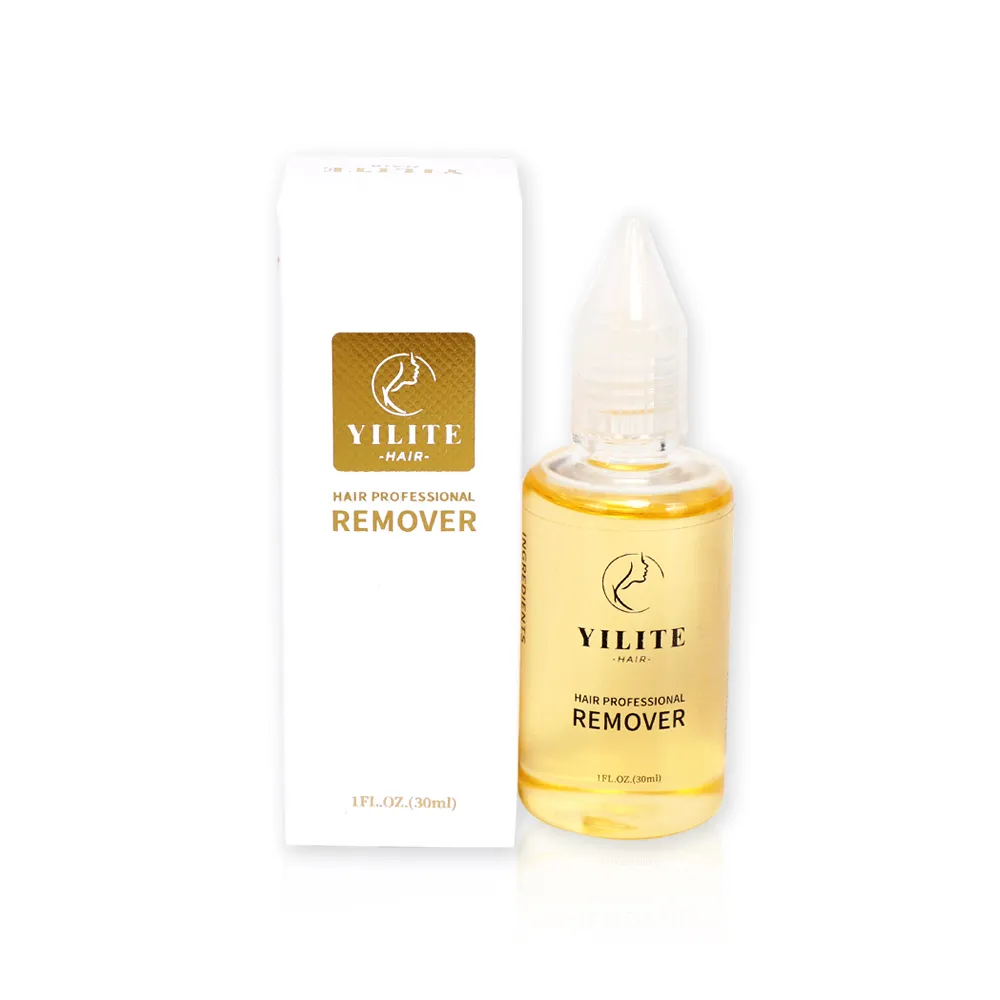
Tape In Extensions Adhesive Remover
30ml Price $29.99
| Shop Now |
( Special products can only be shipped to the United States)
When You Should Remove Tape-In Extensions
You should remove or reapply tape-in extensions immediately if you notice:
- Persistent scalp pain or pressure
- Severe tangling near the roots
- Tape slipping within a few days
- Excessive shedding around attachment points
- Signs of allergic reaction
Continuing to wear damaged extensions may increase hair stress and breakage.
Tape-In Extensions for Fine Hair: What You Need to Know
Fine hair can benefit from tape-in extensions, but choosing the right weight and installation method is essential.
Because fine strands are more delicate, adding too much extension hair can create unnecessary tension. Lightweight tape-in extensions are usually a better choice because they provide volume while reducing stress on natural hair.
For fine hair, consider:
- Using fewer extension pieces instead of adding excessive weight
- Choosing thinner and lighter wefts
- Avoiding placement near fragile hairlines
- Maintaining regular adjustment appointments
If your hair is extremely fine or fragile, temporary options such as clip-in or halo extensions may offer a gentler alternative.
Alternatives to Tape-In Extensions
If you really want to minimize the damage caused by tape-in extensions, then you need to ask yourself an important question: Do I really need tape-in extensions, or is my hair better suited for clip-ins or halo extensions?
Yes, there are many different types of hair extensions on the market, including weft extensions, i tip extensions, U tip hair extensions, etc. Each option has its advantages, so choosing the right one depends on your hair type and lifestyle.
Why Choose YILITE Tape-In Extensions?
At YILITE Hair, we believe hair extensions should enhance your confidence while respecting the health of your natural hair.
Our tape-in extensions are made with 100% virgin human hair, designed for a natural blend, soft feel, and comfortable everyday wear.
We focus on:
Natural Appearance
Each extension is created to blend seamlessly with different hair colors, textures, and styling preferences.
Lightweight Comfort
A comfortable extension experience starts with the right balance between volume and weight.
Long-Lasting Quality
With proper care, high-quality human hair extensions can maintain their softness, shine, and natural movement through repeated styling.
The goal is simple: beautiful extensions should feel like your own hair.
Conclusion
Now you know the answer to the question, “Are tape-in extensions bad for your hair?” You know that tape-in extensions are safe, but they do require caution when used. Remember, if you just need a temporary boost of volume, you can always look into other types of extensions, like clip-in extensions or Halo extensions. They are both temporary hair extension options that can be installed or removed at any time.
In summary, tape-in extensions themselves are not harmful to your hair, but they do require proper care and attention. If you have any questions, always consult a professional stylist to make sure you are using the right method for your hair type. And remember to listen to your scalp—if something feels wrong, it probably is.


