

Speaking about haircuts, the words "bangs" and "fringe" are often brought up as two words that can be used interchangeably to describe a similar thing. The difference in meaning, if any, is mainly geographical in their usage.
In this article, we will look at the difference between bangs and fringe, explore their origins, styles, and trends, and give helpful tips on how to choose the right look for your face shape and personal style.
Understanding the Key Difference
Apart from very crucial differences, there is certainly a difference in the wording about bangs or fringes. Whereas "bangs" is a word used predominantly in North America, "fringe" has always been preferred in British English and most other regions, like Australia. Anyway, be it with either designation, what that Hairstyle implies is a way in which the hair is cut and shortened to fall across one's forehead.
In North America, bangs have become an iconic term associated with hairstyles that frame the face, while in countries like the UK or Australia, fringe serves the same purpose. Modern hairstyling has blurred the lines between these two words, often merging their definitions to reflect specific styles or trends.
Historical Origins of Bangs and Fringe
The term "bangs" is considered by some to have its origin in the phrase "bang-off," describing the action of cutting hair straight across the forehead in a blunt, even manner. Another popularly accepted explanation links the word "bangs" to "bang tail," the method used to trim horse tails straight across. Over time, the word came to be used as synonymous with hairstyles featuring short sections of hair at the front of the head.
The term "fringe" has been in existence for many centuries and has always been related to the shorter layers of hair around the face, whether a blunt cut or a textured cut. The word itself suggests the natural fringing of the hairstyle, much like ornamental fringes that may be found on fabric or other pieces of clothing.
Also Read: How to Cut Bangs at Home (Without Pro)
Popular Fringe and Bangs Hairstyles and Trends
Fringes and bangs are truly versatile because they can be cut according to different face shapes, hair textures, and different individual styles. Some of the trending styles include:
- Blunt Bangs or Fringe
This classic style is cut straight across the forehead, which depicts a bold and striking look. Blunt bangs are meant for those who want a young and edgy feel, and this style sits perfectly with sleek hairstyles.

- Side Swept Bangs or Fringe
Cut on an angle to sweep across the forehead, side-swept bangs are perfect for softening features. This style is universally flattering and low maintenance.
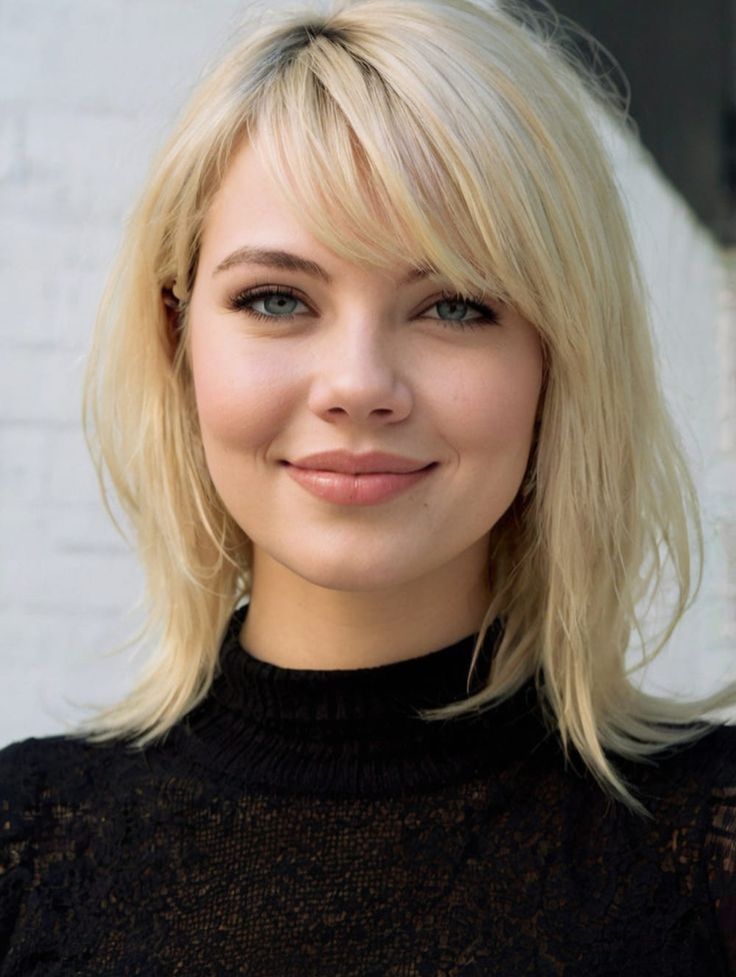
- Wispy Bangs or Fringe
Wispy bangs are much softer, and more delicate in their look, and thinner strands frame the forehead. This style is perfect for a natural, effortless look that works great for those wanting a low-maintenance approach.

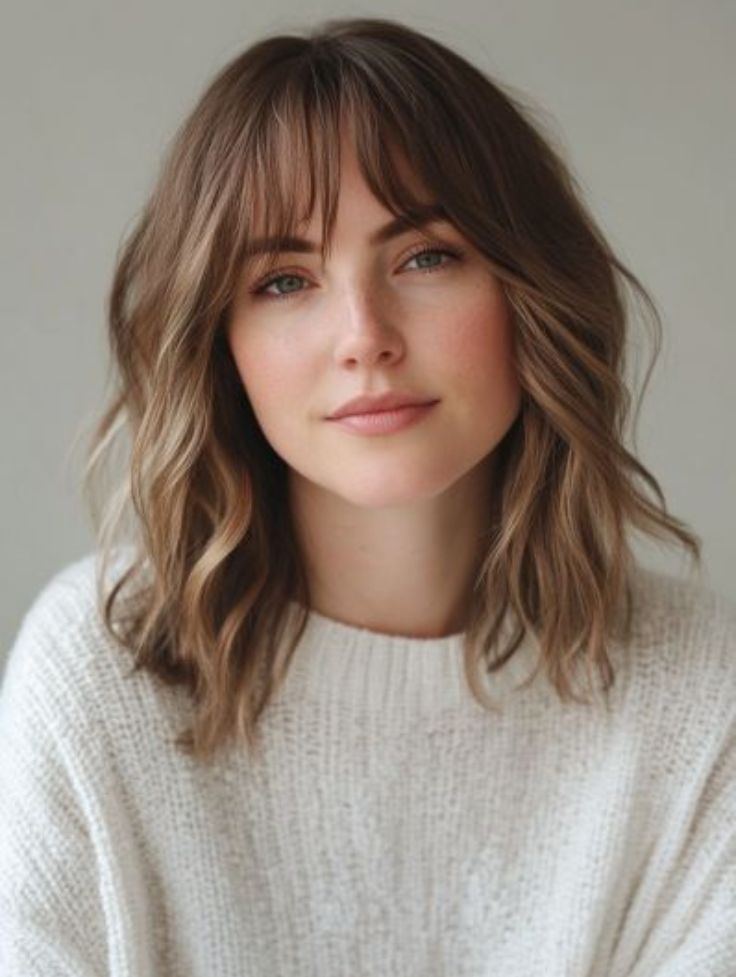
- Fringe or Curtain Bangs
One of the modern-day favorites, curtain bangs are parted in the middle, with strands flowing naturally down either side of the face. It accentuates the cheekbones while adding that vintage and trendy touch to it.
- Textured or Layered Bangs or Fringe
Textured bangs refer to those with unstructured layers or choppy cuts to add depth and movement to a hairstyle. This look is going to be spot-on for creating a very casually relaxed look.

- Micro Bangs or Fringe
Otherwise referred to as baby bangs, the style is characterized by ultra-short strands sitting atop your eyebrows. Micro bangs belong to bold and daring mostly those associated with high-fashion trends.

Benefits of Fringe and Bangs
Bangs or a fringe can add quite a few aesthetic and useful features to your hairstyle.
- Youthful Appearance: Both styles can soften facial features and conceal the forehead, creating a youthful and refreshed look.
- Face-Framing Effect: Bangs and fringes contour the face beautifully and tend to accentuate cheekbones and balance proportions.
- Versatility: Whether you like them bold and dramatic or soft and subtle, bangs and fringes really can be cut to suit your hair type and personal style.
- Camouflaging Lines of the Forehead: Bangs and fringes are a great solution to hide one's forehead lines or uneven hairlines for people who are concerned about such aspects.
Choosing the Right Style for Your Face Shape
Face shape plays an important role in a person's appearance and people use hairstyles to modify their faces and look for the best hairstyles for each face shape. Fringe and Bangs are also an expression of hairstyle style. Choosing the right bangs/fringe depends on your face shape and what you want to affect. Here's a short guide:
- Round Face: Side-swept bangs or curtain bangs balance out and round up the face, creating an illusion of slender features.
- Oval Face: Oval faces are so lucky because most styles work from blunt bangs to wispy fringes that fit this well-proportioned face shape.
- Square Face: Delicate, wispy bangs or curtain styles offset and balance strong jawlines.
- Heart-Shaped Face: Consider side-swept bangs or textured fringes to balance the wider forehead and narrower chin.
- Long Face: Blunt or curtain bangs are ideal to make the face appear shorter and add width.
Fringe and Bangs Maintenance Tips
Whether you choose a style on its own or paired up, good afterward care and maintenance will leave your bangs always fresh and polished.
Regular Trims: Regular trims every 4–6 weeks will help keep the hair at the desired length and shape.
Styling Tools: With the aid of a round brush, achieve sleekness with the use of a blow dryer, or with a flat iron to provide a more defined look.
Dry Shampoo: Keep your bangs or fringe fresh between washes by sprinkling on some dry shampoo to absorb excess oil.
Experiment with Accessories: Headbands, clips, or pins can help you style or grow out your bangs or fringe with ease.
Fringe or Bangs: Which Term Should You Use?
The use of fringe or bangs is entirely up to where you are and your preference. If you happen to be in North America, then bangs may be the word you know better, while fringe is commonly used in countries speaking British English. While the terms are used interchangeably, the best way to get your point across is to describe what you want.
Conclusion
Be it bangs or fringe, these ever-versatile hairstyles have survived time itself to proffer endless possibilities that might just elevate your looks. From the origins of the terms to the various styles and benefits they come with, understanding subtle differences between bangs and fringe will help you reach an informed decision on which one best suits your style and face shape. At Yilite Hair, we celebrate the beauty and the versatility of hairstyles such as fringe and bangs, with premium quality hair extensions fringe bangs products to help one attain the desired look. Find the world of hairstyling possibilities and let your creativity soar high with the right tool and style picked just for you.


