
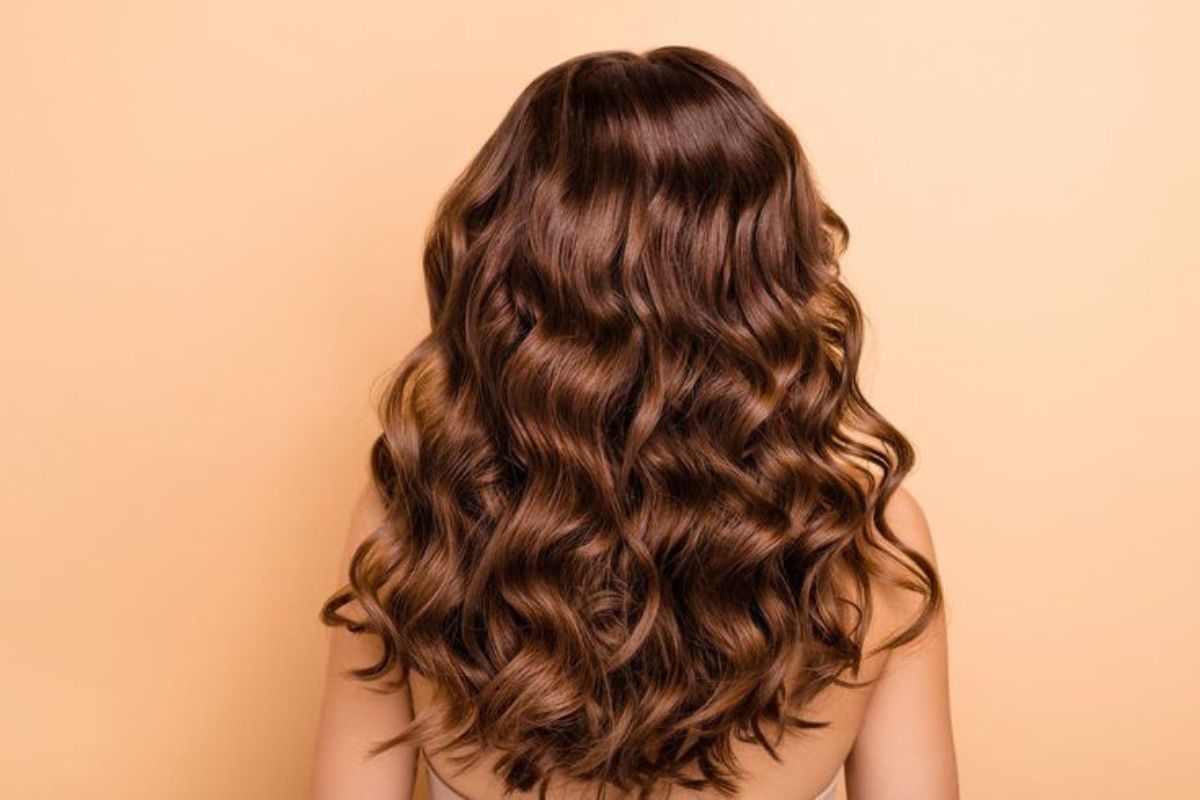
Short haircuts can look modern, fresh, and stylish—but when you want extra length or volume, blending hair extensions can sometimes feel challenging.
The biggest concern many people have is:
“Will people be able to tell I’m wearing extensions?”
The answer depends less on the length of your natural hair and more on three factors:
- Proper extension placement
- Choosing the right amount of hair
- Creating a seamless transition between your natural ends and extensions
Whether you have a blunt bob, shoulder-length cut, or shorter layers, the right techniques can help your extensions look natural, soft, and completely blended.
In this guide, we’ll share professional tips on how to blend extensions with short hair, hide visible layers, and create a flawless finish.
Can You Wear Hair Extensions With Short Hair?
Yes, you can wear hair extensions with short hair.
However, blending short hair requires more attention because shorter ends often create visible lines between your natural hair and the extensions.
Common challenges include:
- Blunt haircut edges showing through
- Short layers sticking out underneath extensions
- Different textures between natural hair and extensions
- Extensions looking too thick compared with your own hair
The goal is not simply adding length.
The goal is creating a gradual transition where your natural hair and extensions move together naturally.
Before focusing on blending techniques, it’s important to make sure your natural hair is long enough to support extensions. Hair length plays a major role in how securely extensions attach and how naturally they blend with your haircut.
If you are unsure whether your current length is suitable, check our guide on how long your hair needs to be for extensions before choosing an extension method.
Why Hair Extensions Look Unnatural on Short Hair
Before learning how to blend extensions, it helps to understand common mistakes.
1. Choosing Extensions That Are Too Long
Adding extremely long extensions to short hair can create an obvious difference between your natural hair and added length.
For example:
A chin-length bob paired with very long extensions may require extra layering and styling to look natural.
A better approach is:
- Start with a moderate length increase
- Add layers gradually
- Blend the ends with styling
2. Using Too Much Hair Density
Many people think more hair means a better result.
However, too much extension volume compared with your natural hair can create an unnatural “helmet” effect.
Your extensions should match:
- Your natural thickness
- Your haircut shape
- Your desired hairstyle
For fine or medium hair, lightweight options often create a more seamless appearance.
3. Ignoring the Bottom Layer
The shortest hair around your neckline is usually the biggest blending challenge.
If this layer is left visible, it can create:
- Short pieces sticking out
- Uneven texture
- A noticeable extension line
Professional stylists often focus on controlling this area first.
Step-by-Step: How to Blend Extensions With Short Hair
Step 1: Prepare Your Natural Hair
Before applying extensions:
- Wash and dry your hair completely.
- Remove tangles using a gentle brush.
- Add light texture if your hair is very smooth.
Slight waves often blend better than completely straight hair because they soften the transition between different lengths.
Step 2: Hide the Shortest Bottom Layer
The hair around your neckline should be concealed before placing extensions.
Depending on your hair length, try these techniques:
Option 1: Flat Pinning
For very short sections:
- Twist small pieces upward.
- Secure them flat against your head using bobby pins.
- Keep the surface smooth.
The goal is creating a flat base underneath the extensions.
Option 2: Small Braids
For thicker short hair:
- Create small horizontal braids near the neckline.
- Pin them securely.
- Place extensions above them.
This prevents short pieces from falling out underneath.
Option 3: Low Mini Bun
For shoulder-length short hair:
- Gather the bottom section.
- Create a small flat bun.
- Secure it close to the scalp.
Avoid creating too much volume because bumps may show through.
Step 3: Place Extensions Strategically
Extension placement determines how natural your final hairstyle looks.
Avoid placing extensions:
❌ Too close to your hairline
❌ Directly on top of very short layers
❌ Too low at the neckline
Instead:
✔ Start slightly above the shortest layers
✔ Leave enough natural hair around the perimeter
✔ Follow the natural shape of your haircut
This creates a smoother transition.
Step 4: Layer Extensions Instead of Stacking Everything Together
One common mistake is attaching every weft at the same level.
Professional blending usually involves layers.
For example:
Bottom layer:
- Adds length
Middle layer:
- Adds fullness
Top layer:
- Helps cover attachment points
This creates movement and prevents a bulky appearance.
Step 5: Add Texture for Better Blending
Straight hair often makes extension lines easier to notice.
Adding texture helps both hair types merge together.
Try:
Soft Waves
Loose waves are one of the easiest ways to blend short hair with extensions.
They:
- Hide uneven ends
- Add movement
- Create a natural transition
Curl Everything Together
After installing extensions:
- Curl your natural hair and extensions together
- Brush curls gently
- Finish with lightweight styling spray
This creates one unified texture.
How to Blend Extensions With a Blunt Bob
Blunt cuts are one of the most difficult hairstyles to blend because the ends are very obvious.
To soften a blunt haircut:
Add layers
Ask a stylist to lightly layer the extensions and natural hair.
Use fewer but wider wefts
Too many small pieces can create uneven thickness.
Choose textured styles
Waves and curls usually hide blunt lines better than sleek straight styles.
Best Hair Extensions for Short Hair
Different extension methods create different results. If you have a very short haircut, choosing the right extension method is the first step. Read your complete guide on choosing the right hair extensions for very short hair.
Clip-In Hair Extensions
Best for:
- Temporary transformations
- Special occasions
- Beginners
Advantages:
✔ Easy removal
✔ No long-term commitment
✔ Flexible styling
For short hair, seamless clip-in hairr extensions with thinner wefts usually blend more naturally. Plus, proper maintenance also helps extensions stay smooth and easier to blend. Learn how to care for clip-in hair extensions to extend their lifespan.
Tape-In Hair Extensions
Best for:
- Longer wear
- Natural movement
- Fine to medium hair
Because tape-ins sit flat against the head, they can create a smooth appearance when installed correctly.
Professional placement is recommended, especially for shorter cuts.
Genius Weft Extensions
Best for:
- Adding fullness
- Thick short hair
- Professional styling
The wider structure helps distribute volume evenly while maintaining a natural finish.
How to Make Extensions Look Like Your Real Hair
After installation:
Match the Color Carefully
A perfect color match is more important than the length.
Consider:
- Root color
- Highlights
- Undertones
Multi-tonal shades often blend better than a single flat color.
Trim Extensions If Needed
Most extensions come with standard lengths.
A stylist can customize:
- Layers
- Face framing
- Ends
This is often the difference between “wearing extensions” and a natural hairstyle.
Maintain Similar Texture
If your natural hair is wavy:
Keep extensions wavy.
If your natural hair is smooth:
Create a matching finish.
Different textures make extensions easier to notice.
Common Mistakes When Blending Extensions With Short Hair
Avoid these mistakes:
Using extensions that are too heavy
Heavy extensions can:
- Pull on natural hair
- Create discomfort
- Look unnatural
Skipping styling after installation
Extensions rarely look perfect straight after clipping them in.
Blending usually requires:
- Curling
- Brushing
- Layer adjustment
Ignoring extension maintenance
Dry or tangled extensions are much harder to blend.
Regular care keeps hair:
- Soft
- Smooth
- Natural-looking
Frequently Asked Questions
Q: How short is too short for hair extensions?
A: Generally, hair should be long enough for extensions to attach securely. Very short pixie cuts may require professional solutions, while bob-length hair is usually easier to blend.
Q: Are clip-in extensions good for short hair?
A: Yes. Lightweight clip-ins are one of the most flexible options for adding temporary length and volume to short hair.
Q: Should I cut my extensions to match my short hair?
A: In many cases, yes. Professional trimming can create layers that make extensions blend naturally.
Q: Do extensions damage short hair?
A: Extensions themselves do not automatically damage hair. Damage usually comes from excessive weight, incorrect placement, or improper removal.
Final Thoughts
Blending hair extensions with short hair is not about hiding your haircut—it is about creating harmony between your natural hair and added length.
The best results come from:
- Choosing the right extension weight
- Placing extensions strategically
- Controlling short layers
- Matching texture and color
- Customizing the final shape
With the right technique, even short hair can achieve a seamless transformation that looks natural, comfortable, and effortless.
At Yilite Hair, we offer high-quality human hair extensions designed for natural blending, including seamless clip-ins, tape-ins, and professional weft extensions to help you create the style you want while maintaining a beautiful, natural finish.


